
When the people of Tanganyika (now Tanzania) could no longer tolerate German colonial rule, which began after the Berlin Conference of 1884-5, they rebelled. The struggle against the Germans gained momentum when a seer in Kilwa named Kinjeketile Ngwale promoted the use of water as a spiritual weapon against the German war machinery. This conflict, later known as the Maji Maji Wars, took place from 1905 to 1907 in various parts of the current coastal and southern Tanzania.
The significance of water was brought to the forefront of the battlefield in the present-day Songea area (Ruvuma region) by Nduna Nkhomanile. Nkhomanile persuaded other chiefs in the surrounding areas of war to embrace water as a protective medicine that could transform German bullets into water. The Maji Maji Wars symbolized the determination and unity of the people on one side, and the cruelty, oppression, and exploitation of German colonialism on the other.
The Nkhomanile stage showcases a female instrumental figure that many histories have overlooked or ignored. The production aims to honor Nkhomanile, the only woman leader who was hanged by the Germans in February 1906, out of 67 leaders hanged on that day. The stage production involves women performers who highlight the role of African women in the fight for freedom. The performance is based on research, with some aspects of Nkhomanile’s life portrayed with artistic license.
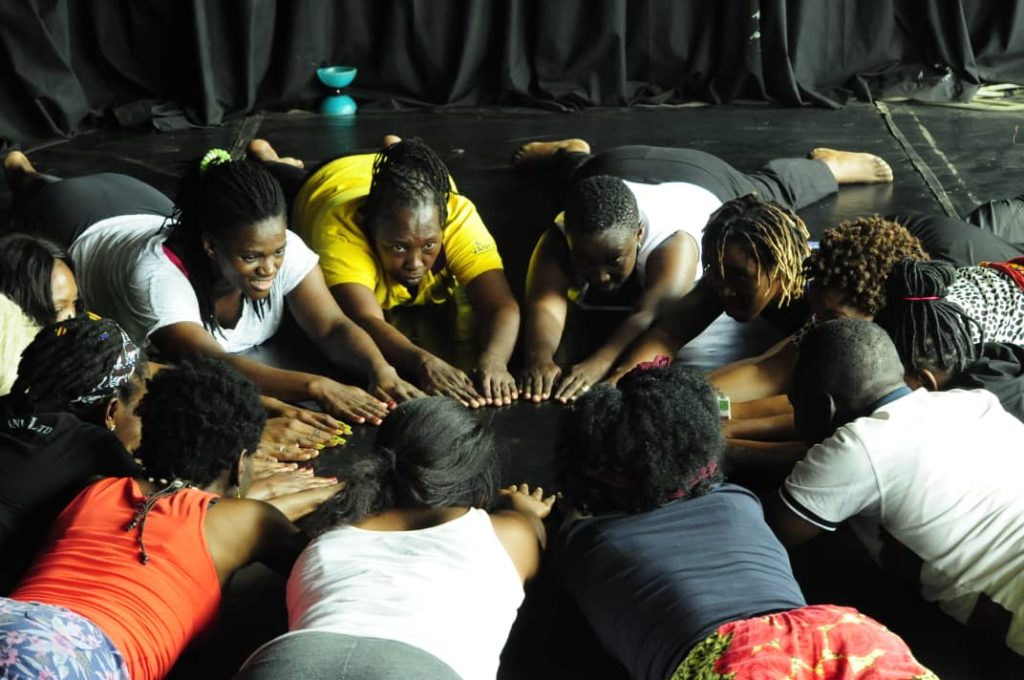
The 2019 Nkhomanile Performance was directed by Vicensia Shule. This was the second edition of the 2006 performance, which was directed by Amandina Lihamba. The Nkhomanile performance has been performed in various countries in Africa.
Tourism Innovation Hub (TIHUB) Moshi - Tanzania