
The dangers and alerts regarding the negative consequences of marine plastics are well-documented. The research project to assess marine plastic pollution along the coast of Dar es Salaam, Tanzania, was a one-year project funded by the National Geographic Society. The project focused on obstacles to change and proposed solutions. The research involved a diverse group of researchers, from lawyers to microbiologists.
Finding a niche for engaging in impactful scientific research was challenging. With a background in the arts, particularly theatre and film production, we chose to use creativity to address critical plastic pollution issues in the ocean. Our role was to raise awareness and help communities better understand the impact of marine plastic.
The creative team developed a community engagement plan to combat marine plastics on Dar es Salaam beaches. We believed it was important to involve youth and children in the campaign to foster a sense of ownership and sustainability. Recognizing the role of children and young people in our society’s transformative agenda, we decided to engage them in the campaign. We partnered with Baba Watoto Center, a space supporting over 700 children and youth from diverse backgrounds in Dar es Salaam.
The Nkhomanile stage showcases a female instrumental figure that many histories have overlooked or ignored. The production aims to honor Nkhomanile, the only woman leader who was hanged by the Germans in February 1906, out of 67 leaders hanged on that day. The stage production involves women performers who highlight the role of African women in the fight for freedom. The performance is based on research, with some aspects of Nkhomanile’s life portrayed with artistic license.
The 2019 Nkhomanile Performance was directed by Vicensia Shule. This was the second edition of the 2006 performance, which was directed by Amandina Lihamba. The Nkhomanile performance has been performed in various countries in Africa.
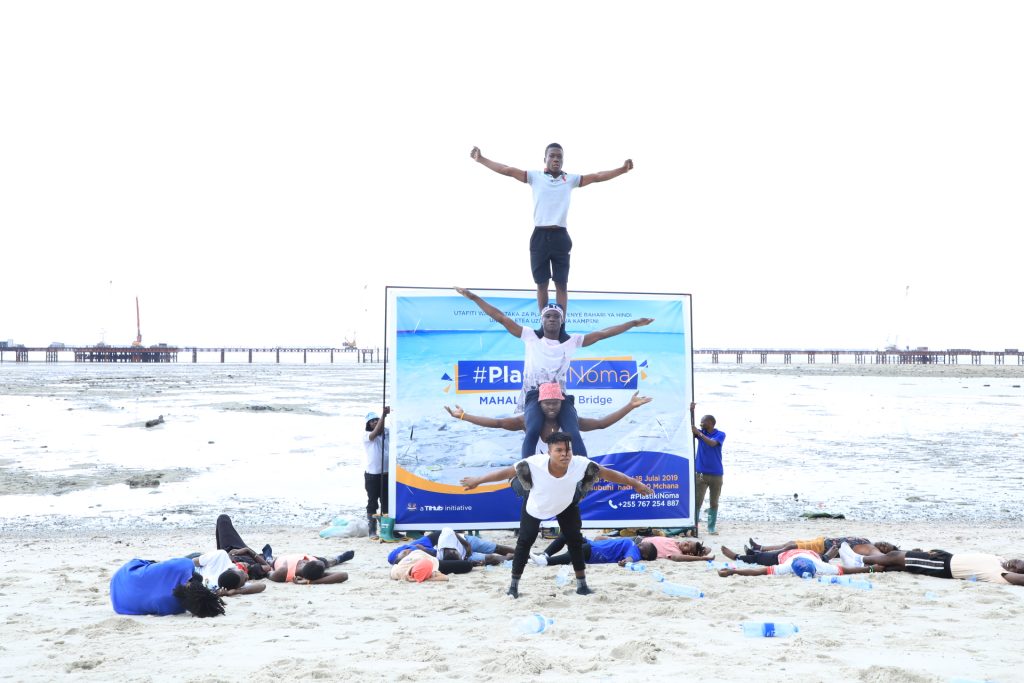
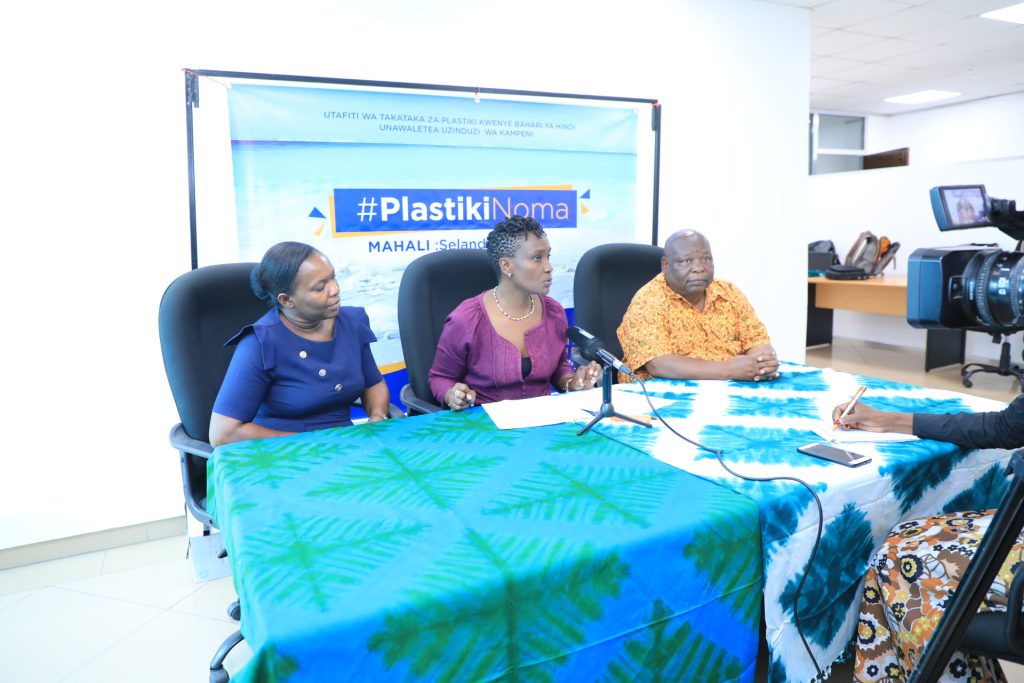
We received several suggestions for the campaign slogan and ultimately chose #PlastikiNoma, which loosely translates to “plastic is dangerous,” “plastic is deadly,” or “plastic is not cool at all.” The #PlastikiNoma campaign aimed to raise awareness among Tanzanians, particularly in Dar es Salaam, about the impacts of marine plastics. It took place over a week from July 15th to 19th, 2019, and utilized various strategies, including media press conferences, social media poster sharing, street distribution, beach cleanups, and arts and sports exhibitions.
The beach cleanup was led by over 125 children and youth from Baba Watoto Centre, accompanied by their mentors, at the Selander Bridge beach. This beach is notorious for marine plastics due to its location connecting the Msimbazi River to the Indian Ocean. Following the cleanup, there were theatrical performances, including poems, circus acts, songs, and storytelling. The campaign not only aimed to create a national movement but also to contribute to a global initiative to reduce plastics. The #PlastikiNoma Campaign aligned well with Tanzania’s ban on plastic bags, effective from June 1st, 2019.
Tourism Innovation Hub (TIHUB) Moshi - Tanzania